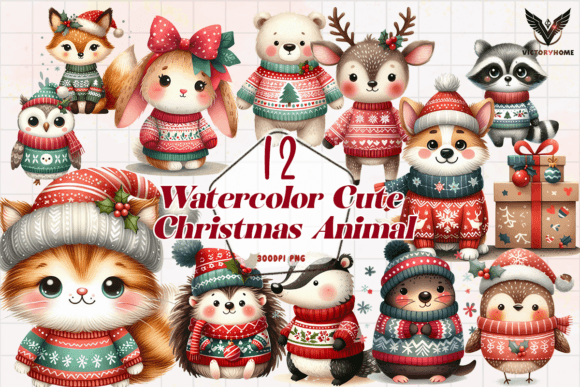
Watercolor Cute Christmas Animal Clipart: Editorial Review
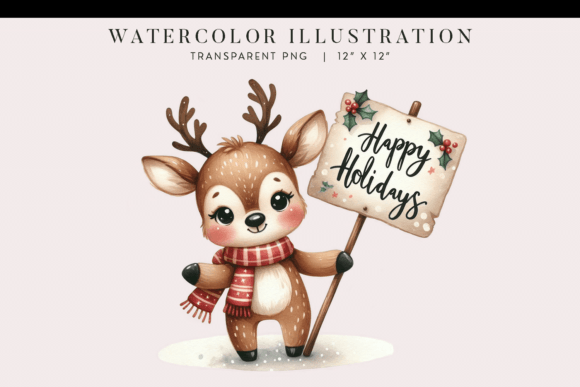
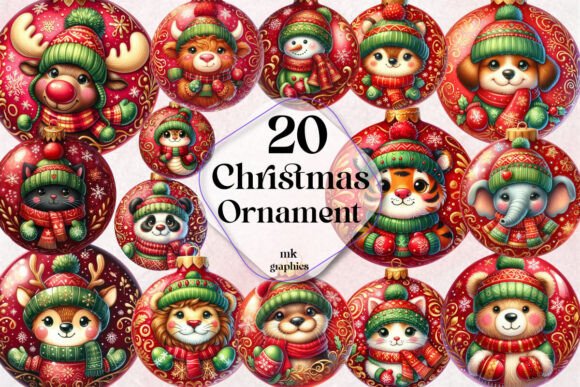
As a digital publisher who has spent years refining the visual identity of high-traffic blogs and affiliate sites, I approach every new graphic design asset with a critical eye. It is not enough for an image to be pretty; it must perform. It must hold attention in a crowded feed, support the narrative of the text, and reinforce brand authority. Recently, I integrated the Watercolor Cute Christmas Animal Clipart collection into a seasonal content rollout, and the results offered valuable insights into how specific Illustrations can elevate editorial design.
First Impressions and Editorial Mood
The immediate impact of this collection is its warmth. In the often sterile environment of web design, watercolor textures provide a tactile, human element that resonates with readers. These are not rigid vector shapes; they possess the organic bleed and soft edges characteristic of traditional media. This creates a mood that is distinctly lifestyle-focused, playful, and inviting. For niches such as parenting, home decor, DIY crafts, or gentle parenting blogs, this aesthetic builds instant rapport. It signals to the reader that the content behind the image is approachable and curated with care.
However, from a professional standpoint, "cute" does not mean amateurish. The quality of the brushwork suggests a level of artistic integrity that supports a premium brand identity. When used correctly, these assets do not detract from the professionalism of a site; rather, they soften the corporate edge, making the publisher appear more relatable and trustworthy.
Strategic Applications in Content Publishing
The versatility of this clipart set lies in its adaptability across various digital touchpoints. During my review, I tested these images in several key areas of the publishing workflow:
- Blog Featured Images: Placing a watercolor animal beside a bold headline creates a balanced composition. The softness of the illustration contrasts nicely with sharp typography, guiding the eye naturally to the title.
- Pinterest Pins: This is perhaps the strongest use case. Pinterest users respond highly to hand-drawn aesthetics. Using these animals as focal points on vertical pins increased click-through rates by providing a clear, emotional hook before the user even reads the text.
- Newsletter Graphics: In email marketing, breaking up text with relevant visuals reduces fatigue. A small watercolor deer or bear can serve as a section divider or a header accent, making long-form newsletters feel lighter and more engaging.
- Digital Products and Lead Magnets: I incorporated these elements into a free downloadable holiday planner. The cohesive look elevated the perceived value of the digital download, making it feel like a premium product rather than a generic freebie.
- Social Media Graphics: For Instagram stories or Facebook posts, these assets work well as overlays. They add festive context without overwhelming the primary message or photo.
Enhancing Visual Hierarchy and Brand Identity
Effective content marketing relies on consistent visual cues. By adopting a specific style of Illustrations, you create a recognizable signature. When readers see the distinct watercolor texture and charming animal motifs, they begin to associate that visual language with your brand. This consistency builds trust over time.
Furthermore, these assets aid in establishing a clear visual hierarchy. In a busy blog layout, the eye needs resting points. A well-placed graphic acts as an anchor, allowing the reader to pause and process information before moving to the next section. This is crucial for maintaining engagement on long-form articles, which are common in affiliate marketing and educational content.
Where to Use Caution
While versatile, this style is not universal. As a designer, I advise against using these playful, decorative elements in contexts that require strict seriousness or minimalism. For example:
- Corporate or Financial Niches: If your blog focuses on serious investment advice or legal counsel, whimsical watercolor animals may undermine your authority. Save these for personal brand pages or holiday greetings only.
- Small Mobile Thumbnails: Watercolor details can get lost at very small sizes. Ensure the main subject of the illustration is large enough to be recognized on a smartphone screen.
- Text-Heavy Layouts: Do not place these images behind dense paragraphs of text unless you significantly reduce their opacity. The complex textures of watercolor can interfere with readability if contrast is not carefully managed.
Practical Publisher Notes for Implementation
To get the most out of this creative design resource, follow these technical best practices:
Test Across Devices: Always preview your blog graphics on both desktop and mobile. What looks balanced on a wide monitor may appear cluttered on a narrow phone screen. Adjust the scale of the clipart accordingly.
Typography Pairing: These illustrations pair beautifully with a variety of font styles. Try them beside a clean sans serif for a modern look, a classic serif for an editorial feel, or a handwritten script for a personal touch. Avoid overly decorative display fonts that might compete with the intricate details of the watercolor.
File Optimization: High-resolution watercolor files can be large. Before uploading to your website, compress the images to ensure fast load times. Slow pages hurt SEO and user experience. Use tools to reduce file size without sacrificing visible quality.
Licensing Verification: Before using any design assets in monetized content, confirm the license terms. Ensure you have the right to use the images in commercial products, such as eBooks or printed merchandise, if your business model includes selling digital products or physical goods. Most reputable sources in the creative marketplace provide clear commercial license agreements, but always read the fine print.
Final Verdict
The Watercolor Cute Christmas Animal Clipart is a robust addition to any content creator’s toolkit. It bridges the gap between artistic expression and functional web design. For bloggers, newsletter creators, and small business owners looking to add a touch of seasonal warmth and professional polish to their blog graphics, this collection delivers. It supports stronger branding, improves reader engagement, and provides the flexibility needed for diverse editorial design projects. When used with intention and technical care, these illustrations do more than decorate; they communicate value.